All sessions will begin on Monday, July 8 and end on Thursday, July 11, 2024. All consultants teach or have taught AP and are endorsed by the College Board. They include AP Exam Readers and AP award winners, and they serve as lead consultants for other regional and national AP Institutes.
This week is ONLINE, with both Synchronous and Asynchronous instruction, from Monday – Thursday, 8:00 am to 4:30 pm.
Consultant Information and Course Descriptions
July 8-11, 2024
AP English Language - New: Jennifer Garner
Jennifer Garner – Lakeside High School, Hot Springs, AR
AP English Language and Composition for teachers New to AP
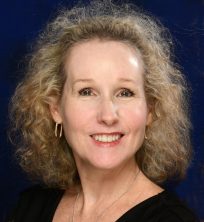 My name is Jennifer Garner, and I live in Hot Springs, Arkansas. I have taught at Lakeside High School for 32 years, where I have instructed students in AP Language & Composition, AP Seminar, AP Research, and a variety of English courses. In addition to teaching, I am a literacy specialist and instructional coach for grades 5-12 in my district. My College Board experience includes being an AP Reader, Table Leader, Consultant, and Mentor. I also work for the National Math and Science Initiative as a coach and content developer. While I am involved in several projects outside the classroom, I devote most of my time to working with students and teachers and sharing my enthusiasm for learning. My husband and I have two adult children and four spoiled cats.
Course Description
This workshop will address the breadth of the AP Language and Composition course and focus on developing critical skills, enduring understandings, classroom activities, formative assessment strategies, and unit planning to enhance students’ understanding of the rhetorical theory and practice that underlie the AP Language and Composition exam. The workshop will unpack the contents College Board’s Course and Exam Description (CED), look closely at analytic assessment (6 point rubric) through the lens of skill development and the relationship between effective planning and our students’ academic growth, as well as examining course structure, content, reading choices, equity, and the development of unit plans designed for each of our unique classrooms.
AP English Language - Experienced: Kevin MacDonald
Kevin McDonald – Edmond Memorial High School, Edmond, OK
AP English Language and Composition – For Teachers Experienced in AP
 Kevin McDonald is currently in his 27th year of teaching, the last 19 being at Edmond Memorial High School in Edmond, OK. He is currently the English Department Chair and is an assistant band director, focusing on percussion.
Kevin began reading for the AP Lang Exam in 2002. In that time he has been a reader, a table leader, a question leader, and a sample selector. He started consulting for College Board in 2004.
He was also the High School Co-Chair of the AP English Language Course Development and Curriculum and AP English Language Course and Exam Development committees from 2014-2021.
Course Description
While this course will have a review of the Course and Exam Description, we will spend the bulk of our time focusing on the role of revision in AP Lang courses (as guided by the CED) and look at different ways to help establish the Enduring Understandings that are hallmarks of students who score 4s and 5s on the AP Lang Exam. This will include reviewing AP Lang Exam student samples to create more comfort with the still-new analytic rubrics and refine our understanding of Row C and how students can earn the “Sophistication” point.
We will also look at a variety of instructional techniques (whether that be through presidential speeches or poetry) that help students better understand how to identify a line of reasoning, which will hopefully help them have more control over their own writing development.
What to Bring
A USB drive to save your work
AP English Literature - New: Wendy Scruggs
Wendy Scruggs – Jack Britt High School, Fayetteville, NC
AP English Literature and Composition for teachers New to AP
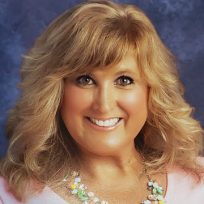 Wendy Scruggs currently teaches for Cumberland County Schools (NC) at Jack Britt High School in Fayetteville, NC–home of Fort Liberty (formerly Fort Bragg). She is National Board Certified in Secondary English (renewed in 2016), AIG endorsed, Online Teaching and Learning Certified, and College Board Audit approved to teach both AP English Language and AP English Literature, as well as the newer Pre-AP English program. She is a current and experienced AP Exam Reader for English Literature, one of eight AP English Literature teachers to write and present AP Literature videos in AP Classroom, and one of two teachers to present AP Literature exam reviews for AP Daily Live for the College Board on YouTube during the spring reviews of 2021, 2022, 2023, and 2024. She has also served two terms on the North Carolina English Language Arts Consultative Committee for the state Department of Public Instruction.
She earned her BA in Political Science at East Carolina University and worked as an award-winning newspaper reporter and editor from 1990-1999, when she left journalism to become a teacher. She has taught secondary English since 1999 in North Carolina including English IV, English IV inclusion, English III Honors, English III, English III inclusion, English II, English II inclusion, English I Honors, English I, English I inclusion, Forensics (Speech & Debate) and Journalism I-IV Honors, and AP Language since 2008 and Literature since 2014. She has written the North Carolina English II End-of-Course Exams, English I NC Final Exam, English I benchmarks for Cumberland County Schools, CCS AP Language countywide syllabus, North Carolina Virtual Public Schools AP English Literature content and lessons, NCVPS AP English Language content and assignments, and written school-wide English III syllabi and pacing guides. She has also taught professional developments in Moore and Cumberland counties for reading across the curriculum, AP English Literature, AP English Language, Canvas, technology integration, and group work in a digital environment. She has served as an Academically and Intellectually Gifted Consultant, as well as a Beginning Teacher mentor.
In her free time, she enjoys SEC football, cooking, floating in the pool with a good book, and spending time with her husband, daughter and fur grandbaby.
Course Description
This course will provide participants with a deep dive into the Course and Exam Description and exam itself, course pacing, syllabus development/course audit (if needed), AP Classroom and AP Central resources, YouTube reviews from College Board, participating and resources in the AP Community, Equity and Access, Instructional Score Reports, essay scoring, writing strategies and best practices, reading strategies and best practices, handling the paper load, selecting resources, and using technology and AI for good in the AP Classroom. In addition, you will receive Google Drive access for resources, lessons, notes, etc.
AP English Literature - Experienced: Christine Carson
Christine Carson – Legacy Academy, Albuquerque, NM
AP English Literature and Composition for teachers Experienced with AP
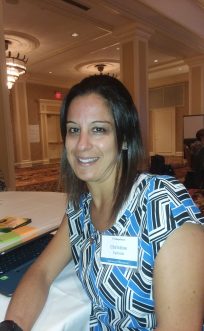 Christine Carson has been a teacher in the Albuquerque, New Mexico area for the last 20 years, teaching AP and Pre-AP English Language Arts in grades 9-12 for the last 16 years. She holds a B.A in Secondary Education with endorsements in English and Social Studies from the University of New Mexico and an MS in Curriculum, Instruction, and Assessment from Walden University.
Mrs. Carson has been serving as an AP Literature and Composition reader for 14 years, and is currently an Operational Question Leader for the exam. As a consultant, she has facilitated APSIs for the University of Tennessee Chattanooga, Texas Tech University, the University of Arkansas Little Rock, and institutions in the Kansas City, San Francisco, San Diego, and Atlanta areas. In addition,she has authored assessment materials for AP English Literature for a renowned textbook company. She describes herself as a diligent, enthusiastic educator who seeks genuine,authentic connections with students to encourage them to grow into mature readers, writers,and thinkers.
Course Description
This workshop explores the world of teaching AP® Literature and Composition for New AP English Literature and Composition teachers. Some of the areas that will be covered will include the Course Framework, passage analysis strategies,close reading methods and practices, drawing inferences, and importance of purpose or effect in analysis as well as novel unit organization suggestions and activities. Creation of challenging analytical tools for major works, teaching and scoring student writing, creative discussions, strategies for multiple choice testing, Lesson simulations in poetry, short fiction and longer works of fiction, and simulated AP® exam grading will be included. Participants will also have opportunities to share best practices as well in this asynchronous and synchronous interactive workshop.
AP Biology - Experienced: Brenda Royal
Brenda Royal – Central Magnet School, Murfreesboro, TN
AP Biology for teachers Experienced with AP
 Brenda Royal is a native of Murfreesboro, Tennessee, where she attended Middle Tennessee State University. She received her B.S. with a double major in chemistry and biology, her M.S. in biology, and her Ed. S. in curriculum and instruction. She has 37 years of classroom experience having taught AP Biology for over 25 years. She has been a Tennessee Teacher of the Year Finalist, an NABT Outstanding Biology Teacher for Tennessee, and a Metro Nashville Teacher of the Year Finalist. She received the Siemens Award for AP Instruction in 2006. She has been an AP Exam Reader since 2003 and currently teaches in Murfreesboro, Tennessee. She is an AP Biology consultant for College Board, Kentucky Science & Technology Corporation, and the National Math and Science Initiative and she enjoys serving as an ambassador for Howard Hughes Medical Institute Biointeractive. She served as the southeast regional coordinator and on the board of directors for the National Association of Biology Teachers, and she chartered the Tennessee Affiliate of NABT in 2016, serving as founding president. Her passions are ecotourism and her five grandchildren. She’s a dog person who was adopted by two farm cats, Thelma and Louise.
Course Description
During this AP Biology APSI, you’ll explore the course framework, the exam, and the new AP resources that will help you plan and focus instruction—and give you feedback throughout the year on the areas where individual students need additional focus. You’ll also learn about completing the digital activation process at the start of the school year that will give you immediate access to the new resources and will help ensure that your students can register for AP Exams by the new fall deadlines. By attending this APSI, you’ll gain deeper insight into the following key takeaways, among several others: Understand the Course; Plan the Course; Teach the Course; Assess Student Progress; and Engage as a Member of the AP Community. In addition, specific attention will be paid to the following AP Classroom resources: unit guides, personal progress checks, AP teacher community, and the AP question bank.
AP Chemistry - Experienced: Alice Putti
Alice Putti – Jenison High School, Jenison, MI
AP Chemistry for teachers Experienced with AP
 Alice Putti currently teaches chemistry and AP Chemistry at Jenison High School in Jenison, MI. Since 2004, Alice has served as a reader, table leader, and question leader at the AP Chemistry Reading. She has been an AP Consultant for the last eleven years. From 2017-2022, she was a member of the AP Chemistry Test Development Committee. In 2022, Alice won the ACS James Bryant Conant Award in High School Chemistry Teaching.
Course Description
This course will focus on preparing students for the AP chemistry exam. Participants will learn chemistry content and ways to teach in a face to face or online environment. Content from all nine units will be addressed. Participants will perform lab and non-lab activities, with a focus on discussion and analysis. We will explore the construction of the AP exam and scoring rubrics giving teachers a deeper understanding of how to prepare their students for it. Participants will score practice exams questions and have an opportunity to construct their own AP type questions.
AP Computer Science Principles: Joe Greenawalt
Joe Greenawalt – La Plata High School, La Plata, MD
AP Computer Science Principles for teachers both New to and Experienced with AP
 From 2001 through 2018, Joe Greenawalt was a Computer Resource Teacher for Charles County Public Schools (CCPS) in Maryland where he was responsible for creating and teaching several computer science courses. He pioneered teaching the Advanced Placement Computer Science course for CCPS and taught the course on Saturday mornings for two years, online via distance education for two more years before it found its current home in the traditional classroom. He has been an AP Computer Science A exam reader for several years. He worked with the CCPS superintendent to develop and implement a plan to “grow our own” computer science teachers and to implement computer science courses at all the school system’s elementary, middle and high schools. Joe initiated and led development of a Maryland version of Exploring Computer Science (ECS) successfully adapting the course to meet the Technology Education Credit standards of the Maryland State Department of Education. He led teacher professional development to implement the course at all high schools in Charles County Public Schools and led similar training for teachers in Howard and Montgomery County Public Schools in Maryland. Working with Code.org he helped prospective and continuing teachers of ECS in Virginia, Massachusetts and Georgia.
As a pilot teacher chosen by the College Board, Joe was one of 35 high school teachers who
led in developing the Advanced Placement Computer Science Principles (CSP) course and
helped develop the AP Computer Science Principles curriculum by CS Matters of Maryland from
its inception through its endorsement by the College Board. He helped to develop and lead
teacher professional development for the CS Matters CSP curriculum and led curriculum
development for CSP curriculum provided by Code.org. Joe continued my relationship with the
College Board serving as an AP Summer Institute leader training teachers from New York,
Pennsylvania and Maryland and in Kota Kinabalu, Malaysia.
Joe has a Master of Science in Computer Science and has pursued a Master of Science in
Cyber Security. He has had other professional roles and titles including technology coordinator,
network administrator, school board member and school principal. Joe is married, the father of
two and has four grandchildren. It’s these last roles that mean the most to him. Pursuing
Computer Science for All grows out of his desire to do for all children what he wants done for his
grandchildren. Today all children should develop the ability to creatively problem solve, to apply
abstraction and to leverage the still emerging power of computing. All children should have the
opportunity to catch a love of computer science, to understand its impact, and to use it to change their world.
Course Description
This AP Computer Science Principles Summer Institute workshop provides teachers with
strategies and resources to implement an effective AP® Computer Science Principles (AP®
CSP) course and includes all APSI requirements. During this training, teachers explore the
course using AP® CSP Course and Exam Description (CED) and focus on the course skills,
content, and their assessments AP Computer Science Principles Exam and the Create
performance task.
The Summer Institute supports teachers implementation of their schools curriculum whether that
curriculum is teacher developed or adopted from a curriculum provider. Teachers learn what the
College Board has identified as the skills and content of the course and plan their curriculum
with their school calendar. Teachers will be encouraged to broaden access to Advanced
Placement through the use of a toolkit for educators and school leaders that was created by AP
teachers. Teachers will also be encouraged to use the AP Score Reports for Educators and other resources for continued professional growth.
AP Precalculus: Rebecca Barnes
Rebecca Barnes – West Springfield High School, Fairfax County, VA
AP Precalculus for teachers both New to and Experienced with AP
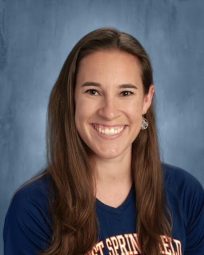 Becky Barnes has been a mathematics teacher in Fairfax County at West Springfield High School for 10 years. Six of those years have been spent teaching AP AB and BC Calculus, and eight have been spent teaching different levels of precalculus. During her time at West Springfield High School Becky has been a mentor to novice teachers, has served on her school’s technology committee, and has been a curriculum team lead. Becky has been recognized for her exceptional instructional skills and strong relationship with students by being named Fairfax County’s Outstanding Secondary New Teacher of the Year in 2017 and West Springfield High School’s Teacher of the Year in 2018. Becky graduated with both her Bachelors degree in Mathematics and her Masters in Teaching from the University of Virginia in 2013. In addition to consulting for AP Precalculus, Becky is the moderator for the AP Precalculus Online Teacher Community and is an AP Daily instructor. Becky enjoys traveling to National Parks (Zion National Park is her favorite so far), playing board games, and curling up on a couch to read.
Course Description
“This online workshop for AP Precalculus will cover the four units (1. Polynomial and Rational Functions, 2. Exponential and Logarithmic Function, 3. Trigonometric and Polar Functions, and 4. Functions Involving Parameters, Vectors, and Matrices) and the three mathematical practices (Procedural & Symbolic Fluency, Multiple Representations, and Communication & Reasoning) that make up the AP Precalculus course framework. During synchronous and asynchronous sessions, participants will explore the AP Precalculus Course and Exam Description, look at different strategies and resources to support their instruction, discuss how they can incorporate graphing calculators and AP Classroom into their course, and learn about the AP Exam structure and how to help students prepare to succeed on the exam.”
AP Statistics - New: Sarah Johnson
Sarah M. Johnson, Grand Blanc High School, Grand Blanc, MI
AP Statistics for teachers New to AP
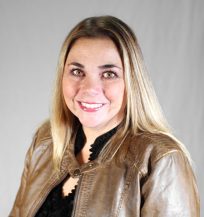 Proud professional educator, Sarah M. Johnson, teaches Mathematics & Statistics at Grand Blanc High School in Grand Blanc, Michigan. She has been teaching AP Statistics for more than 17 years and currently serves as an AP Consultant for the Midwest Region of the College Board. Sarah has also worked as an AP Statistics Table Leader, AP Rubric Team Member, AP Reader, AP Multiple Choice Item Writer, a National Delegate to the Academic Assembly of the College Board, College Board Diversity Initiatives Advisory Panel Member, NCTM Proposal Reviewer, and as both a Consultant & Mentor with the National Mathematics & Science Initiative. Once upon a time, Sarah raised her hand in a department meeting and asked the question: “Why don’t we have this AP Stats class I heard about?” This is the last time she has raised her hand in a meeting to date. Since that day, she has been educating the masses about fighting our two enemies: bias & variability, and maintaining focus on the #1 job of any statistician– translating statistics into English for common folk. Sarah uses simulation-based activities to ensure her students are good consumers of data (and also to keep them from sleeping in class). Her passion is helping teachers love statistics as much as she does, and she especially enjoys learning from the experiences of workshop participants! Sarah is married to her marine engineer / program manager husband, and they are attempting to herd cats—err raise 4 beautiful daughters (a.k.a. “Those Johnson Girls” ages 24, 16, 12, and 7).
Course Description
This course will create understanding of, and instill confidence in AP Statistics in a collaborative, judgment-free virtual environment. Big ideas include exploring and visualizing one and two variable data, sampling and experimentation, probability, random variables, sampling distributions, and statistical inference via confidence intervals and significance tests. Simulation is used throughout to increase understanding. We will explore and engage the content through activities that can be implemented immediately in the classroom, whether virtual or face-to-face. During the week we will examine the four major content areas of the AP course, with discussions and explorations tailored to the experience, comfort level, interests, and needs of participants. In addition, we will discuss teaching strategies and classroom details such as student projects, homework, quizzes, AP Daily, AP Classroom, online AP Question Bank and grading. A good bit of time will be devoted to the AP exam, including its structure, how it is written, and how it is graded. We will examine the grading of the 2024 exam in depth. Learning is supported with an introduction to graphing calculators. With a blend of synchronous and asynchronous learning, this interactive institute will keep participants engaged and excited about AP Statistics.
What to Bring
Participants are asked to have a graphing calculator with statistical capabilities as well as a laptop and their current textbook available if they have one.
AP U.S. History - New: Timothy Greene
Timothy Greene – Jersey Shore Area School District, Jersey Shore, PA
AP U.S. History for teachers New to AP
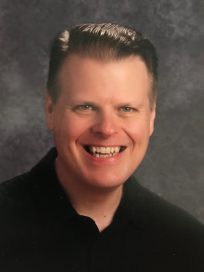 Timothy J. Greene is the Social Studies Department Coordinator at Jersey Shore Area School District in Jersey Shore, PA, where he has taught pre-AP and AP United States History since 1997. He received a 1993 James Madison Fellowship and earned a master’s degree in history from The Ohio State University. He is an experienced reader, table leader, and workshop consultant for the AP United States History Exam. He wrote the Teacher’s Resource Guide to the American Pageant (15th ed., 16th ed., and 17th ed.) and the Focus on AP Success chapter previews in The American Pageant (16th ed., 17th ed., and forthcoming 18th ed.) He is also the author of The Teacher’s Companion to AP United States History for Cengage and National Geographic Learning. The OAH Magazine of History and EDCITEment published his lesson plans about the NAACP’s anti-lynching campaign.
Course Description
This summer institute provides new and experienced teachers of AP United States History with an overview of the Course and Exam Description (CED): Effective 2023. Participants will use the CED to develop teaching strategies and student activities that enhance historical thinking skills and reasoning processes. The course will emphasize preparing students for success on the AP US History Exam and understanding the AP History Scoring Rubrics and AP Classroom. It will also help teachers better understand both the course content and the themes in AP United States history. Participants should be prepared to share their favorite lesson or teaching strategy with the group during a best practices session. If possible, they also should have access to their current AP US History textbook. Each participant will receive a copy of the AP US History CED as well as numerous student-centered activities, resources, and lessons focused on teaching AP US History. Upon completion of the course, participants will know how to utilize the CED and AP Classroom to improve student performance on the AP Exam, evaluate student essays using the AP History scoring rubrics, and implement instructional strategies to maximize student success in their AP US History courses.
Daily Goals/Outline/Material to be Covered:
Day 1 (Monday, July 8, 2024)
- Course Introduction
- Strategies to Promote Equity and Access
- Understanding the Structure of the Course and Exam Description (CED)
- Exploring the Unit Guides and Themes
- Using the Course and Exam Description to Develop Student Understanding
- Historical Thinking Skills and Reasoning Processes and the AP US History Course
- Understanding and Scoring the Short Answer Question
- Using the Short Answer Question to Develop Historical Thinking Skills
- Assessing Student Understanding in AP US History
Day 2 (Tuesday, July 9, 2024)
- Sequencing and the AP US History Course
- AP Course Audit and Curriculum Requirements
- Planning Your AP US History Course and Syllabus
- Strategies and Pedagogical Tools for Teaching AP U.S. History
- Selecting Resources to Support Teaching AP US History
- Helping Students Make Connections Part I (Chronological Reasoning)
- Understanding and Scoring the Long Essay Question (LEQ)
- Strategies to Enhance Student Achievement on LEQs
Day 3 (Wednesday, July 10, 2024)
- Understanding and Exploring AP Classroom
- Using AP Classroom to Develop Historical Thinking Skills and Reinforce Course Content
- Using Stimulus-Based Multiple-Choice Question to Develop Historical Thinking Skills
- Understanding and Scoring the Document-Based Question (DBQ)
- Strategies to Enhance Student Achievement on the DBQ
- Methods and Activities to Help Students Analyze Primary and Secondary Sources
Day 4 (Thursday, July 11, 2024)
- Interpreting Data on the Instructional Planning Report
- Utilizing the Instructional Planning Report to Enhance Instruction
- Helping Students Understand Contextualization
- Methods and Activities for Argument Development
- Helping Students Make Connections Part II (Comparison)
- Sharing Strategies and Best Practices for Teaching AP US History
- How to Help Students Review for the AP US History Exam
- Utilizing the Instructional Planning Report to Enhance Instruction
- Concluding Remarks and Course Evaluation
AP Psychology: Jeff Norby
Jeff Norby – Rice Lake High School, Rice Lake, WI
AP Psychology for teachers both New to and Experienced with AP

Jeff Norby is entering his 24th year in the psychology classroom, with experience at the four-year college, two-year college, high school, and ALC settings. He currently teaches AP Psychology and DC Psychology at Rice Lake High School in northern Wisconsin.
Prior to his current position, Jeff was in the college classroom for eight years (UW-River Falls, WI-Northcentral Technical College), the AP Psychology classroom for 13 years (Chicagoland, Green Bay area, Twin Cities metro), and the counseling office for four years. He has taught the Intro/AP curriculum in 50, 70, and 90-minute periods in semester, two-trimester, and year-long formats via F2F, hybrid, virtual, and online modalities. In addition to the AP/Intro course, he has taught Behavior Modification, Adolescent Development, Motivation, and Critical thinking at the post-secondary level. Jeff has served at the AP Reading for 20 years in both reading and table leading capacities, 17 years as a College Board consultant (teaching workshops like this one), 3 years as an AP Psychology syllabus reviewer (AP course audit), and is a periodic item writer for the AP Exam.
Jeff earned his M.S.Ed. in Educational Psychology from the University of Wisconsin-Milwaukee, his M.S.Ed. in Counseling from the University of Wisconsin-Superior, and his B.A. in Psychology from the University of Wisconsin-Eau Claire. Jeff lives rurally on the tension line between Wisconsin’s north woods and the driftless coulee region. Outside of the classroom, Jeff is a steward of the land, an outdoor enthusiast, and an avid bowhunter.
Contact: jnorby2@gmail.com
Course Description
Are you teaching AP Psychology for the first-time next fall?
Do you need to brush up on your psychology content?
Are you a social-science long-timer confronted with a new AP Psych prep?
Do you need to familiarize yourself with the 2024 curriculum changes in AP Psychology?
If you answered “yes,” consider joining 20+ other teachers for a week of good teaching practices, psychology instruction, networking, and great camaraderie.
This workshop is 100% online.
The new CED and course changes for the 2024-2025 academic year will be our focal point.
This summer is a great time to get acquainted with the new course expectations!
- Reauthorizing your course in the online audit system (all teachers must do this year)
- Converting your course from the previous nine units to the new five-unit system
- Understanding how EBQ and ABQ questions have taken the place of FR Questions
- Understanding how “scientific practices” are now woven into the fabric of the course
- New exam format with fewer multiple-choice questions
- The role of argumentation in the new AP Psychology curriculum
In addition to matters of the new CED (exam question styles, content inclusion/exclusion, etc.), time will be devoted to specific teaching techniques, strategies, and lessons for each of the 5 specific
content areas (e.g., Learning & Development, Cognition). For each area, teachers can expect to leave with no fewer than six NEW (not seen before) ideas, lessons, spins, or jams – along with “gold standards” that will prove the sine qua non of the AP Psychology toolbox. That’s 30-40 fewer lesson “days” to prep and a reduction in anxiety that’s hard to quantify.
Each day will be a balanced mix of synchronous and asynchronous learning. Live large-group class sessions will be interspersed with windows of independent engagement activities so as to optimize time, keep participants fresh, and make the days go quickly!
AP European History: Susie Gerard
Susie Gerard – Spokane Public Schools, Spokane Valley, WA
AP European History for teachers both New to and Experienced with AP
 My name is Susie Gerard, and I am a National Board certified teacher in adolescent and young adult social studies. I have been teaching AP European History for Spokane Public Schools for over 35 years, both in the brick and mortar classroom at Lewis & Clark High School and in the virtual classroom for Spokane Virtual Learning. Currently, I am teaching the course for Spokane Virtual Learning and serving as the district Secondary Social Studies Coordinator. I have been an AP European History exam reader since 1996 and over the years have served as a question leader, a table leader, and a sample selector. I am a College Board endorsed presenter and have taught AP workshops and summer institutes since 1998. I have written curriculum modules for the College Board, along with teachers’ manuals and review guides for several publishers.
I am a member of the AP European History Test Development Committee, the AP European History Course Audit Scoring Guide Development Committee, and the AP European History Instructional Design Team. I am also the chairperson of the History Academic Advisory Committee and a member of the College Board Academic Advisory Council. I am passionate about helping every student succeed and received both the Spokane Public Schools Distinguished Teacher Award and the Spokane Public Schools Equity Award for promoting racial and cultural equity and for encouraging more students to challenge themselves in AP classes at my school. I am excited about the opportunities that AP European History can provide to students, and I am very much looking forward to working with you this summer!
trgerard@comcast.net
susieg@spokaneschools.org
509 926-8584
Course Description
Are you wondering about the latest changes to the AP European History course and exam? Attending this online AP summer institute will be a great experience and will allow you to find out more about the latest updates to the AP European History course and exam. We will also be exploring many strategies and materials for teaching the course. Specifically, we will spend time examining the new LEQ and DBQ rubrics that will be used for the first time at the 2024 reading.
This institute will provide many practical resources and ideas for organizing the recently updated AP European History course and will help both experienced and new teachers prepare to confidently teach the curricular, thematic, and skill components that launched in August 2019. Time will be spent making sure that all teachers are ready to prepare their students for success in the course and on the exam, with the latest released College Board materials and test samples being explored.
The following are some of the goals for the week:
1. To understand some of the basic elements involved with teaching the AP European History course:
- AP European History Curriculum, Themes, and Skills (CED)
- Understanding the Course Requirements
- Mapping out the Year—Pacing the AP European History Course and Outlining the instructional plan by Unit and Topic in your academic calendar
- AP Classroom Instructional Resources
- Using Instructional Planning Reports
- Instructional Strategies and Tools to teach the Content and Skills in the CED
- College Board Processes
- The AP Audit
- Test Taking Strategies
- Document Based Question Writing
- Long Essay Writing
- Stimulus Based Multiple Choice Questions
- Short Answer Questions
- Student Enrollment
- Textbook Selection
- Supplemental Readers
- Resources
- Test Development
- Equity and Access
2. To understand the content and structure of the AP* European History exam, and to develop appropriate strategies for maximizing student scores and to examine ways to provide students with the analytical skills and factual knowledge necessary to deal critically with the content, skills, and materials in AP European History.
3. To achieve an understanding of necessary course content for the course curriculum and exam by looking at sample questions provided by the College Board, examining the latest AP reading samples released by the College Board, and analyzing the rubrics for all parts of the exam.
4. To examine a variety of ways to structure the course so that students will be prepared to score well on the AP exam.
5. To acquire many resources from the instructor and from other participants to help make the teaching of the course more manageable. These will include:
- Sample test questions for the exam provided by the College Board
- Available samples from the most recent AP Reading
- College Board information concerning the themes and skills in AP European History
- Long Essay Rubrics
- Document Based Question Rubrics
- Instructional Handouts
- Instructor-prepared Classroom Resources in an instructor-created google drive
- Online access to materials provided by publishers
- Materials provided by College Board
What to Have Available for our Online Workshop:
Please have available any materials you will be using to plan and teach your course (textbook, supplemental materials, etc.) and your schoolyear calendar for next year, since you will have some time throughout the week to work on planning and organizing your course pacing and units.
What to Expect During the Week:
Daily workshops will be a blend of synchronous learning via Online Meetings and asynchronous learning. Each morning and afternoon session will start with the synchronous presentation of information offering two-way, real-time video and audio with short videos, demonstrations, Q & A, and instructions for the asynchronous work time.
The ratio of synchronous to asynchronous instruction will vary depending on the day, but approximately 75 – 80% of the time will be spent in synchronous activities, large group discussions, and examination of College Board materials. Asynchronous learning will include a mix of independent planning and small break out group activities. Participants will have a specified amount of time to complete various tasks, and the presenter will be available during asynchronous time to answer questions or to provide additional support. Each day will end with a Zoom wrap-up.


