
Join us in celebrating 100 years of UA Little Rock by exploring the milestones, achievements, and people who helped shape our remarkable journey. Explore the pivotal moments of the 1920s.
The Beginning of the People’s College
The 1920s marked the beginning of what would later become the University of Arkansas at Little Rock. Those early years reflected a commitment to expanding educational opportunities in Little Rock. What began as a small junior college with modest resources grew into academic programs and services that would support generations of students.
Leadership:
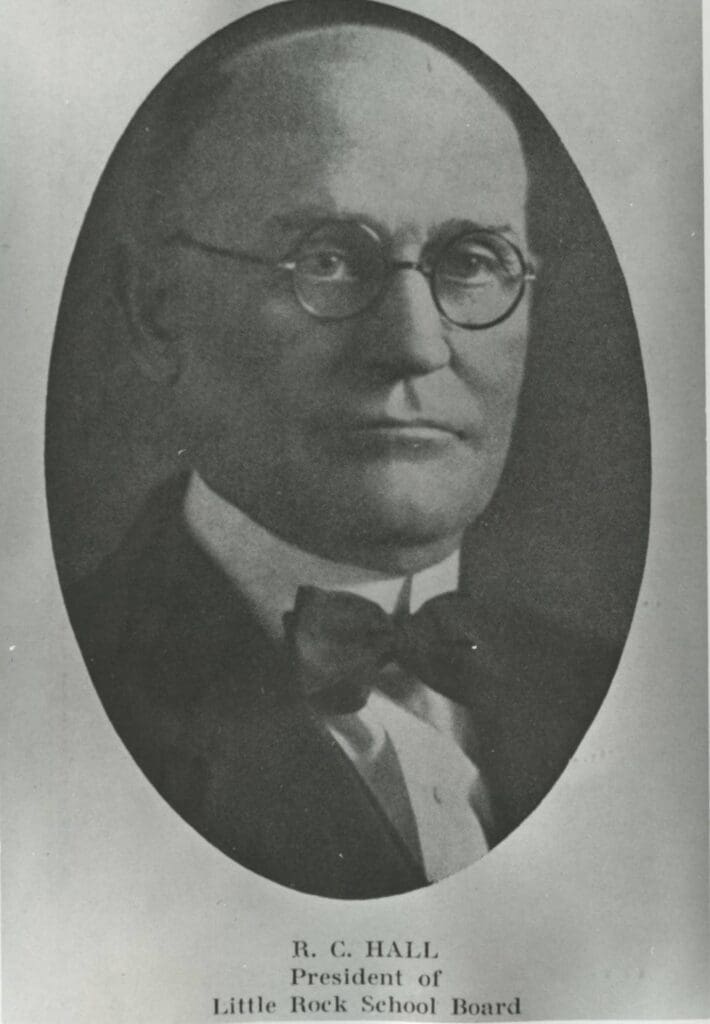
R.C. Hall: President, 1927-1930
Little Rock Junior College is Founded – 1927
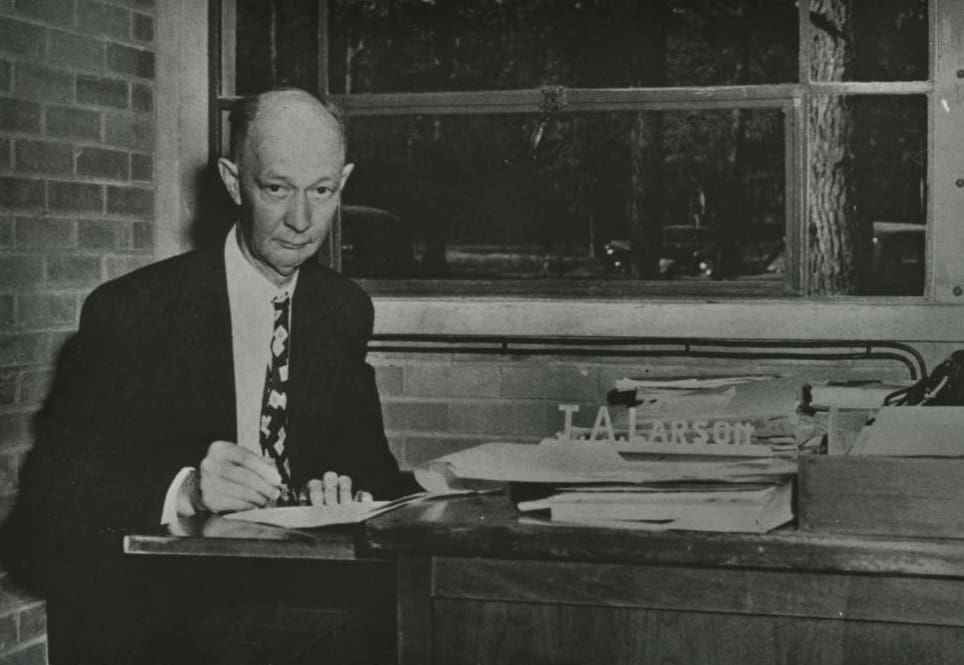
The history of the University of Arkansas at Little Rock begins in 1927 when John A. Larson had a goal to expand access to higher education in Arkansas’ capital city. Larson was the principal of Little Rock Senior High School, what later became Central High School, and he was determined to provide higher education opportunities in Little Rock after the college courses offered through the University of Arkansas at Fayetteville’s extension program were cancelled.
Despite limited funding, Little Rock Junior College opened on the second floor of Little Rock Senior High School. Larson was named LRJC’s first Dean and R.C. Hall, Superintendent of the Little Rock School District, served as the first President.
LRJC, affectionately nicknamed “Jaycee,” began with 100 students who paid $5 per semester hour and were taught by one full-time teacher, Lula B. Chase, and part-time teachers.
First Library Opens – 1927
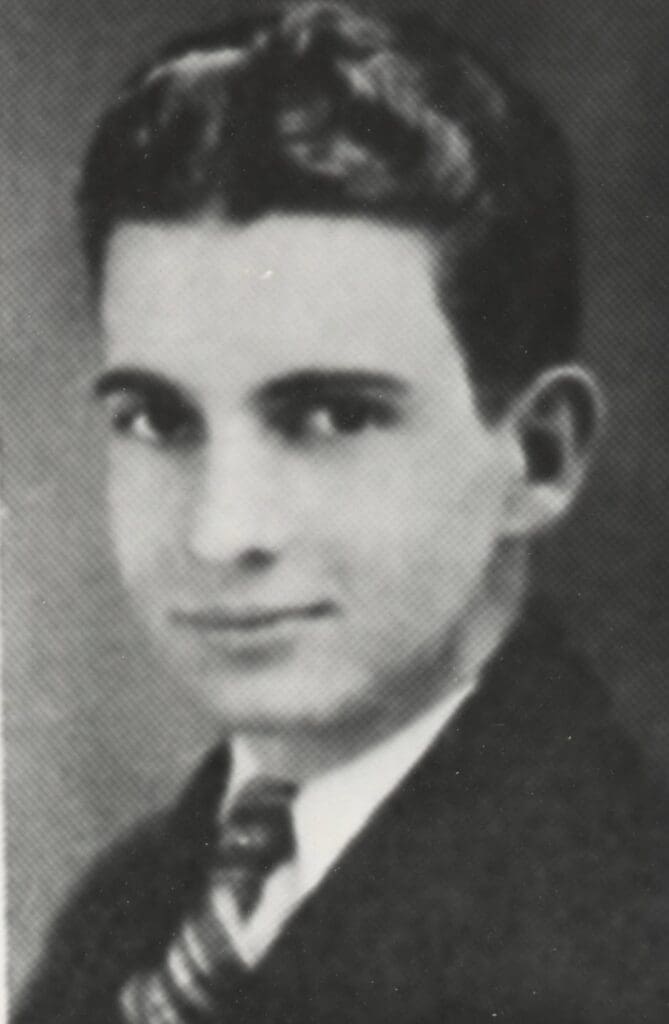
Even in its earliest days, the college began investing in the resources needed to support its students. In 1927, LRJC established its first library with just over 1,400 books. The collection was initially housed in a repurposed storeroom before expanding into a former classroom. What began as a modest collection quickly became an important part of the college’s academic foundation. As the library expanded, Phyllis Perkins became the institution’s first librarian, helping shape one of LRJC’s earliest academic resources.
First Student-Newspaper Debuts – 1928
Student life quickly took shape as an important part of campus life. In 1928, students launched “The College Chatter,” a newspaper that not only connected the campus community but also helped strengthen it. Proceeds from newspaper sales helped purchase new books for the library, supporting its continued growth. The 2-cent two-column publication eventually grew alongside the institution and community it served, becoming a longstanding voice for students and an enduring aspect of campus life.
LRJC Earns Accreditation – 1929
In spring 1929, LRJC achieved a milestone of earning full accreditation from the North Central Association of Colleges and Secondary Schools while also celebrating its first graduating class.
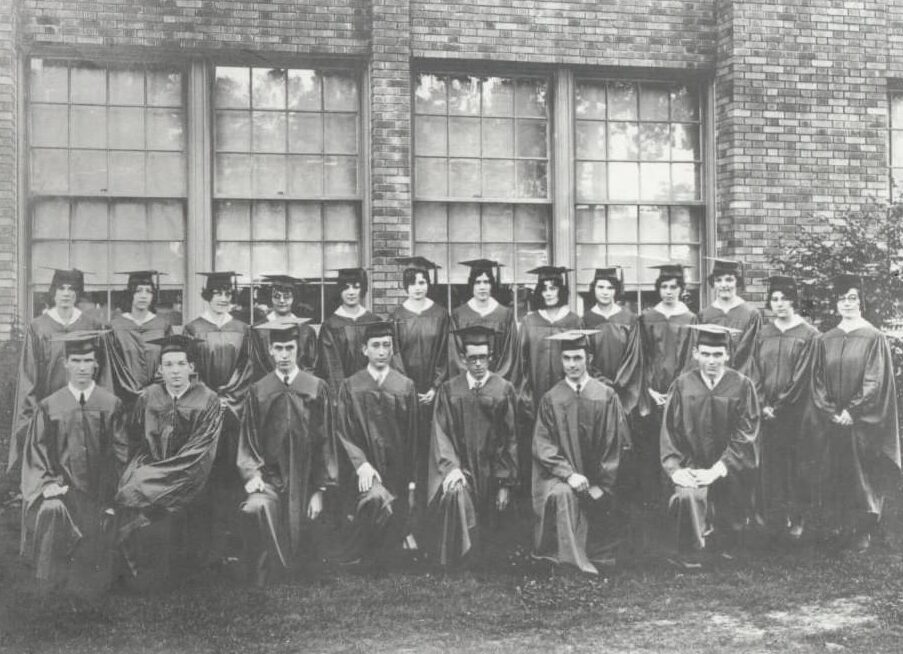
First Class Graduates – 1929
LRJC celebrated a pair of early milestones with its first graduating classes in 1928 and 1929. The inaugural class consisted of 12 graduates and commencement was held jointly with Little Rock Senior High School in 1928.
The following year, the college graduated the first students who had completed the institution’s full two-year program after enrolling when LRJC opened its doors. Together, these early graduates helped establish a foundation of academic achievement and institutional pride that would support the college’s continued growth in the years to come.
LRJC Receives $2 Million Gift – 1929
Momentum continued in 1929 when former Arkansas Gov. George W. Donaghey and his wife designated LRJC as the sole beneficiary of a $2 million trust – the largest gift ever made to an Arkansas educational institution at the time. Donaghey also appointed a board of trustees to administer the endowment.
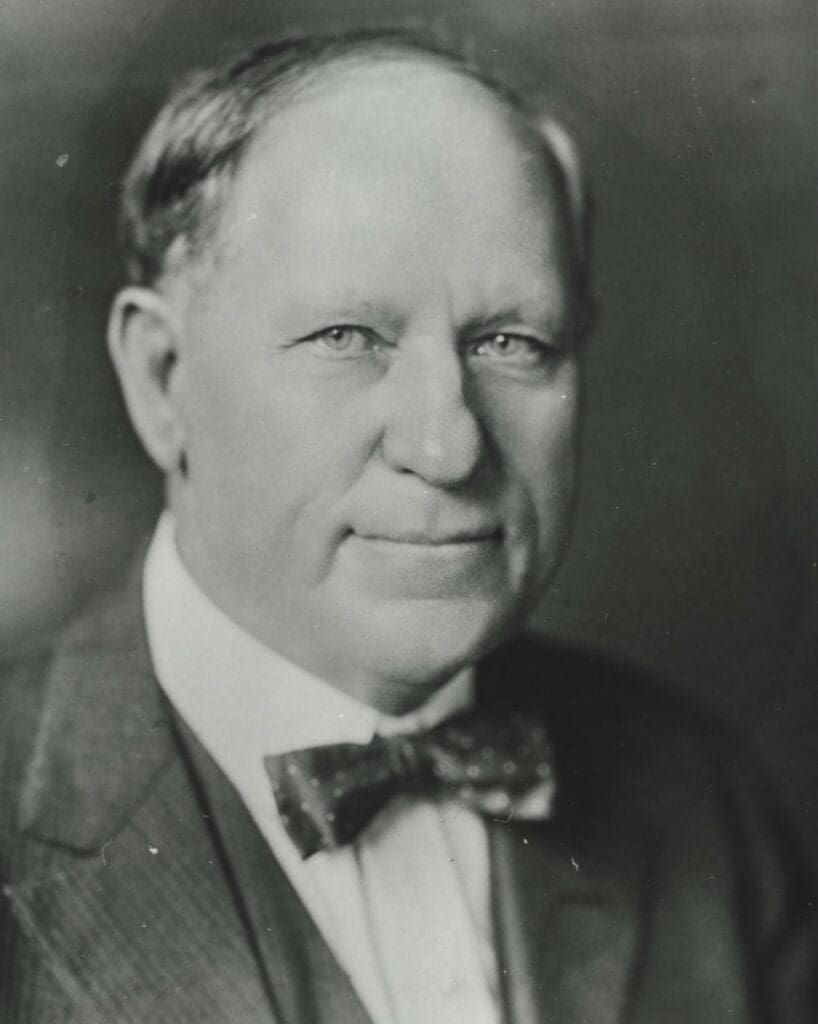
Donaghey was a strong advocate for education and said, “I was convinced that no greater field for educational development exists anywhere that can be found right here in Little Rock.”
The gift not only gave LRJC the financial stability it needed, but it also put statewide attention on the College and gave its supporters optimism that the college would endure.
Enrollment Grows Nearly 200% – 1929
Donaghey’s transformative gift and LRJC’s accreditation helped propel enrollment. From fall 1928 to fall 1929, enrollment surged from 119 to 347 students.
LRJC Offers Evening and Late-Afternoon Classes – 1929
To meet the demand of growing enrollment, LRJC introduced evening and late-afternoon classes for local school teachers seeking advanced credit. The classes soon attracted more than 140 students and demonstrated LRJC’s commitment to serving nontraditional students.
By the end of the decade, Little Rock Junior College had already begun laying the foundations of a thriving university: academic resources, student engagement, and a growing sense of community. Though still in its infancy, the college was building the groundwork for decades of growth.
Moving Forward
As we celebrate our Centennial, each decade’s moments of impact will be published monthly. Follow along as we explore the people, milestones, and moments that shaped UA Little Rock’s first century and continue to inspire its future.