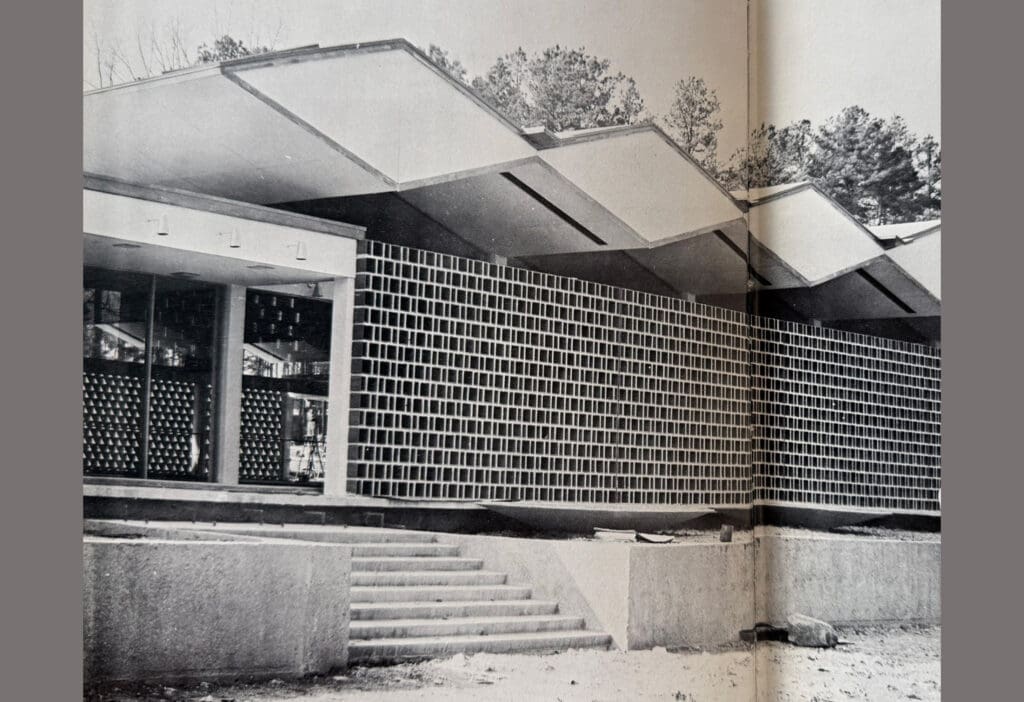
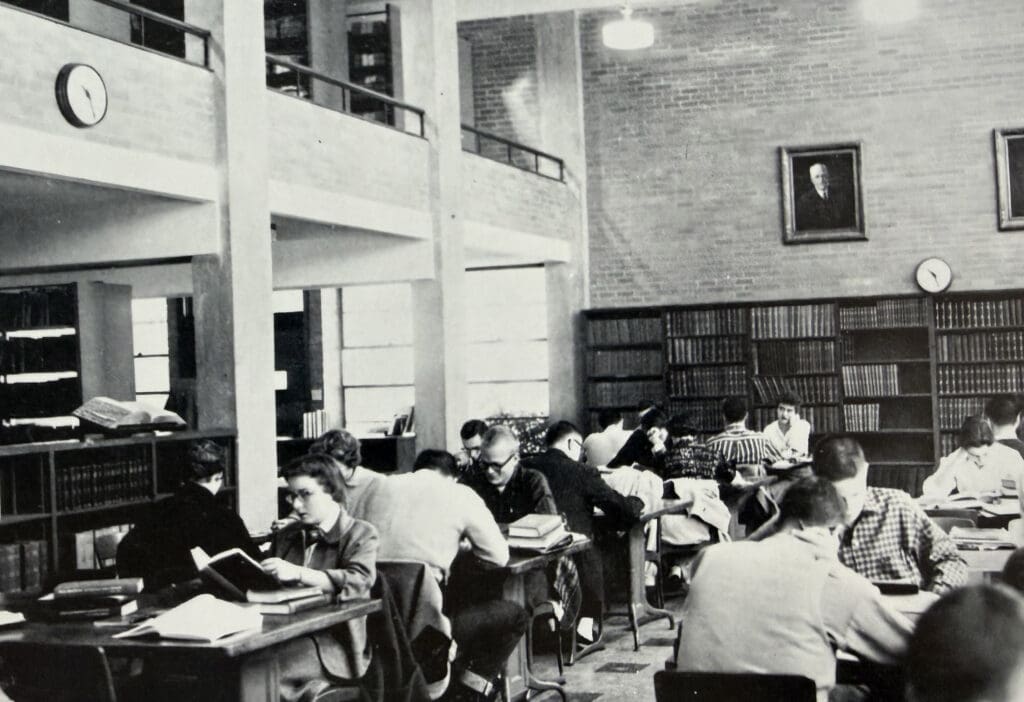
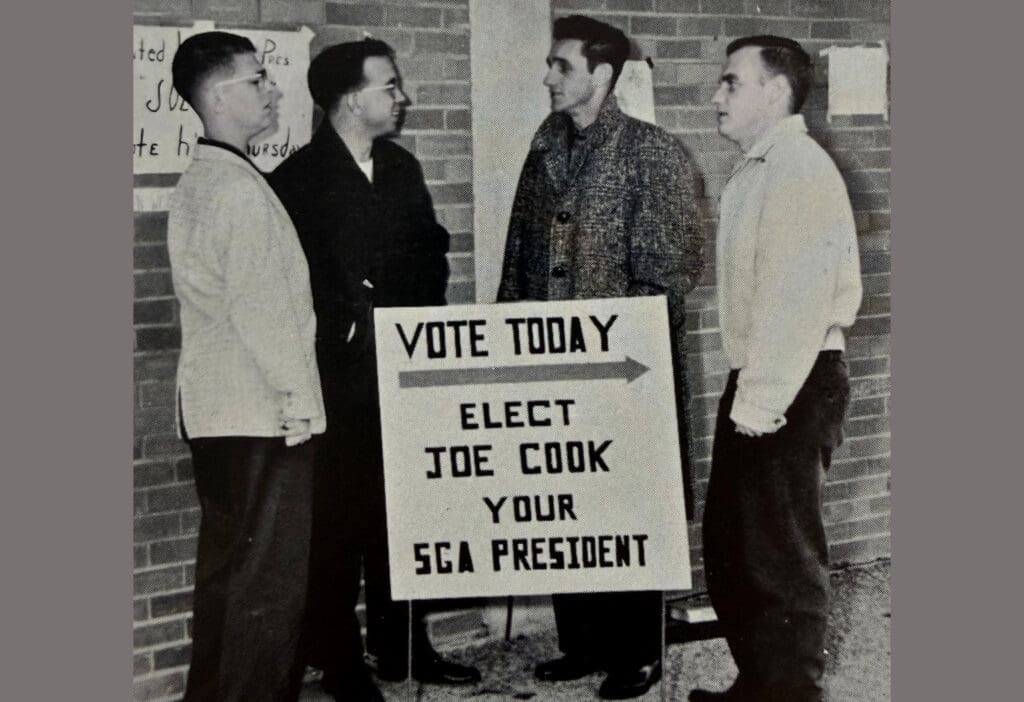
Join us in celebrating 100 years of UA Little Rock by exploring the milestones, achievements, and people who helped shape our remarkable journey. Explore the pivotal moments of the 1950s.
The Rise of a University
Throughout the 1950s, Little Rock Junior College grew its enrollment, expanded its programs, and met the rising demand for higher education. As momentum built, so did the vision for a four-year university. By the end of the decade, LRJC became Little Rock University, marking a new chapter for the institution.
Leadership:
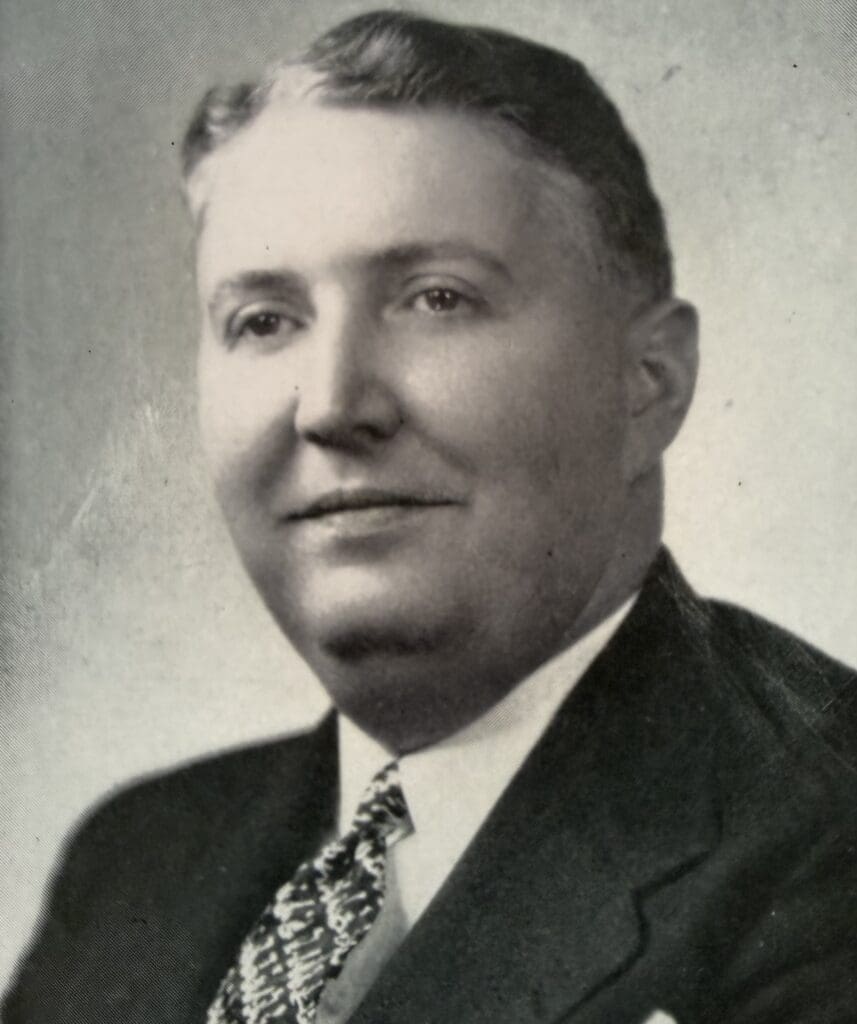
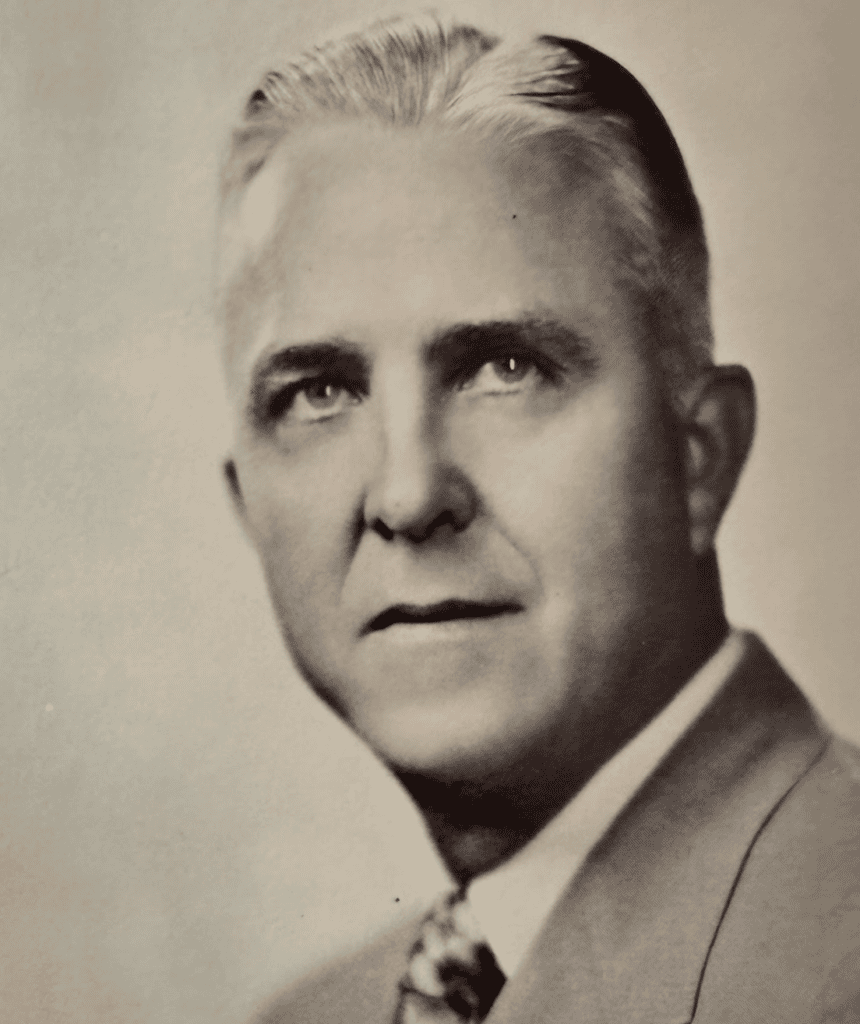
Granville Davis: President, 1950-1954
E.Q. Brothers: Acting President, 1954-1956
Carey V. Stabler: President, 1956-1969
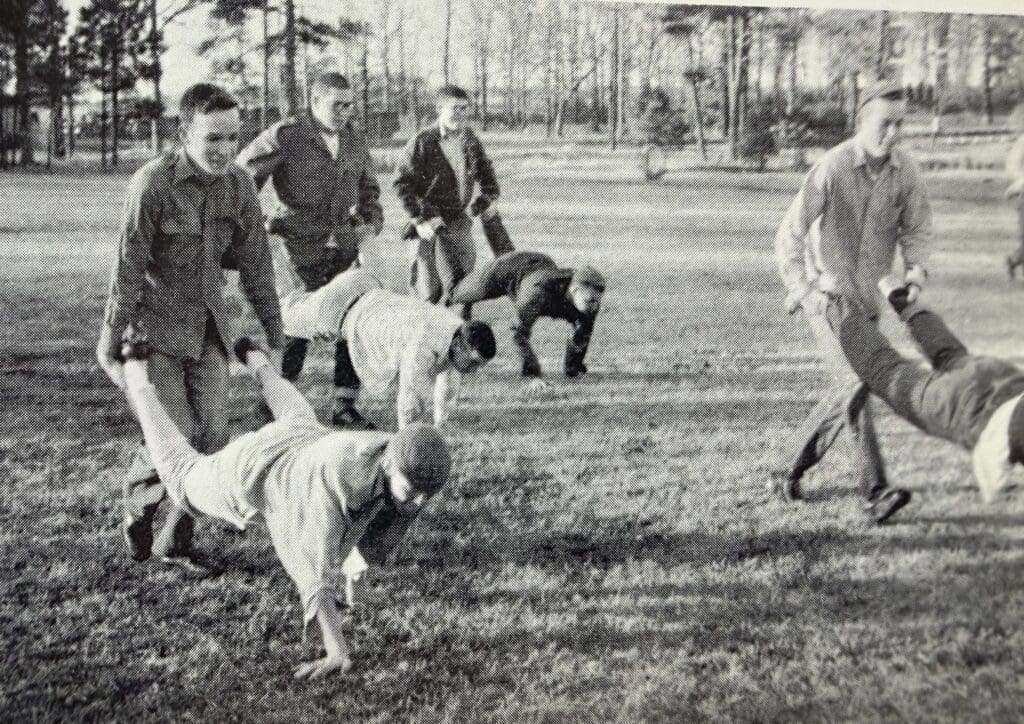
Halloween Carnival Begins – 1950
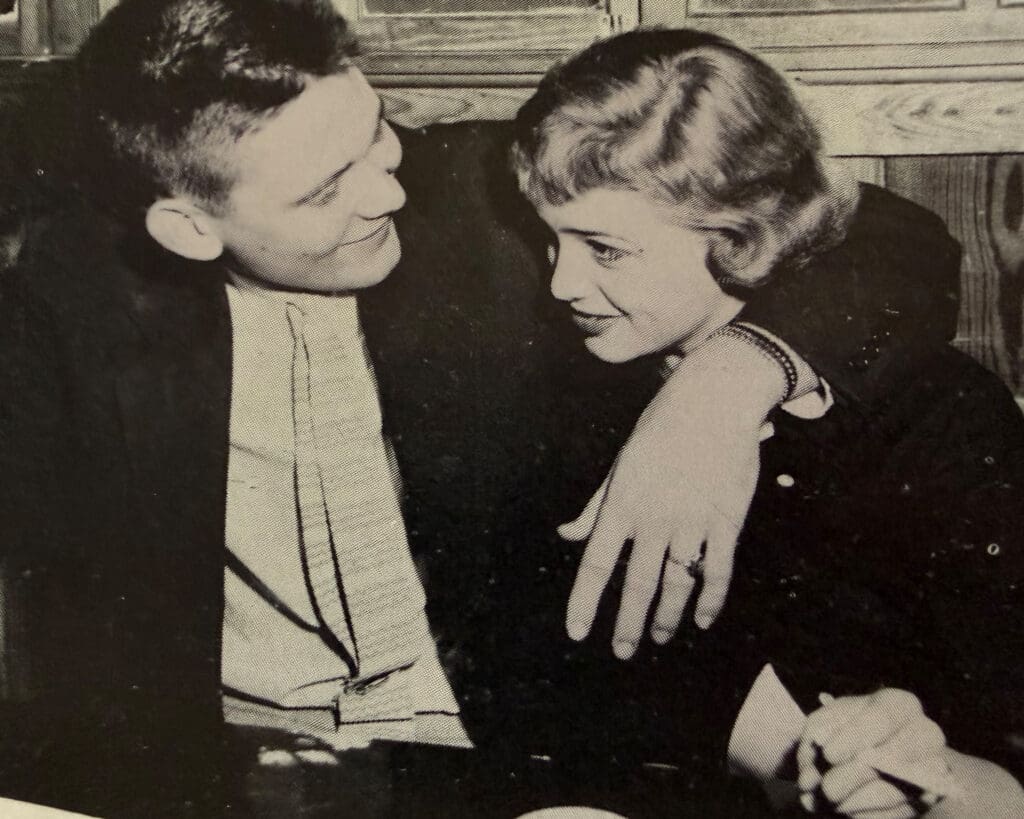
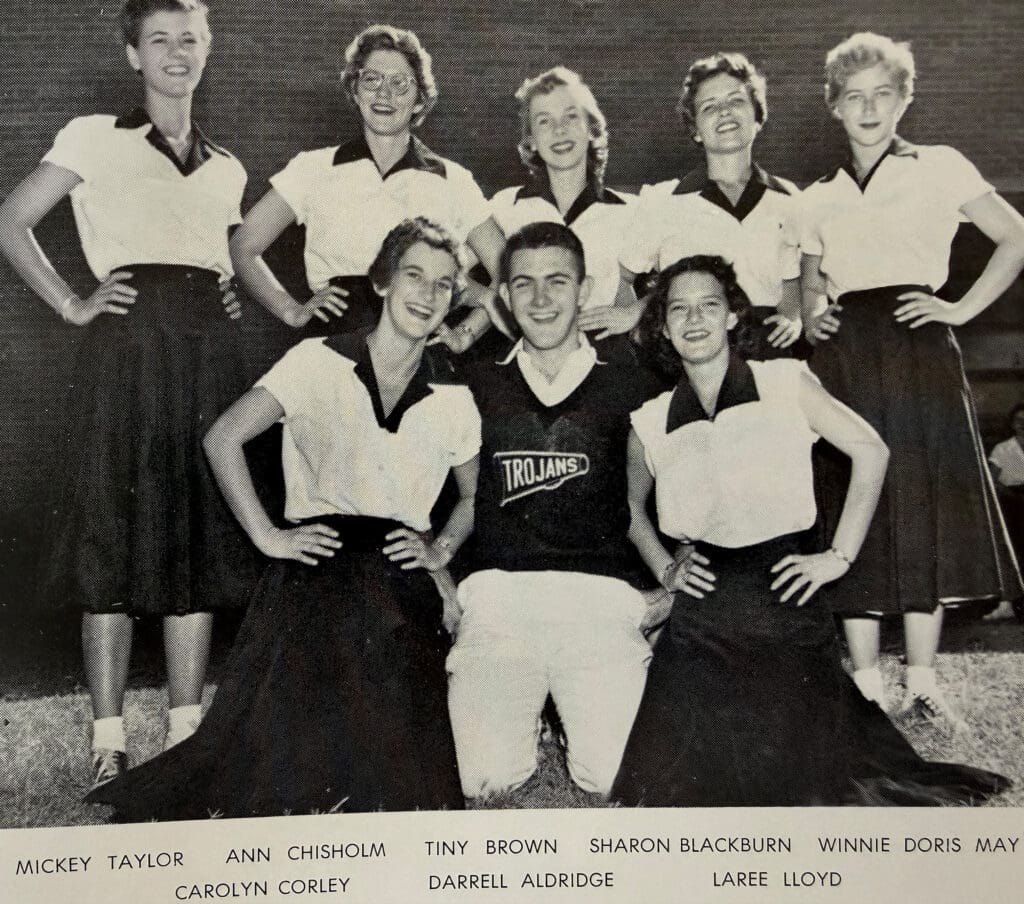
Initially held as a benefit for the athletic department, the Halloween Carnival became a popular annual event supported by many social clubs. The Battlecriers sponsored a kissing booth, the Zeta Phis ran a concession stand, the Phi Alpha fraternity ran a poker game, and the Sigma Taus held a dance.
This event continues today as the outdoor Fall-o-Ween, which features treats, games, costume contests, and booths hosted by student organizations.
Enrollment Growth – 1951-1952
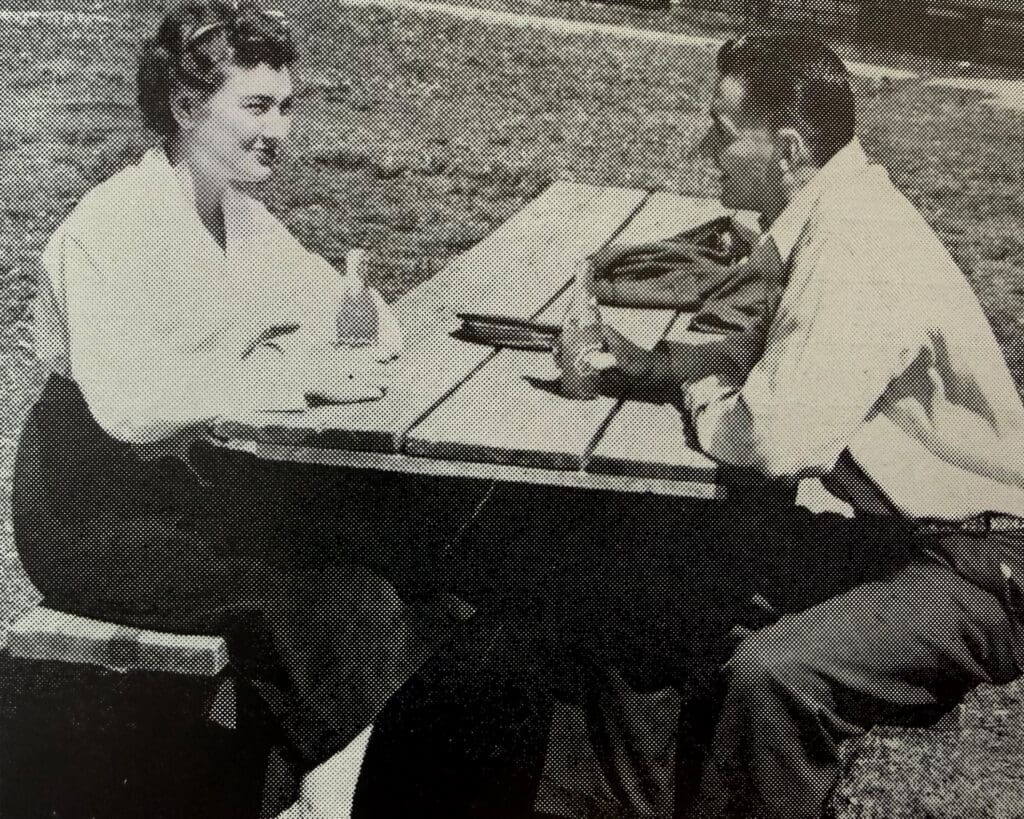
As LRJC entered the 1950s, the college expanded rapidly to meet the community’s growing educational needs. In 1951, the college enrolled 457 daytime students and more than 700 students in its night school program, which became a vital resource for military veterans and working professionals.
During the 1951-52 academic year, total enrollment reached a then-record 1,356 students.
Businesses Pay Employees’ Tuition – 1951
Under President Davis’s leadership, LRJC focused on maintaining general education courses during the day with more practical courses in the evening classes. Davis believed that emphasizing practical courses “will be helpful to employers and employees in our business community.” Courses in accounting, commercial law, marketing, salesmanship, air conditioning, shorthand, and typing all reached record enrollments.
Additionally, several Little Rock businesses began paying the tuition of their employees who enrolled in courses related to their jobs. This strengthened LRJC’s partnership with the community. Today, UA Little Rock’s Corporate Partnerships Program offers educational benefits to employees of over 150 Arkansas organizations.
Silver Anniversary Celebration – 1952
LRJC marked its 25th anniversary with a year-long celebration from May 1952 to May 1953. Festivities included special exhibits of student and faculty artwork, a series of theatrical productions, and colorful brochures mailed to alumni and local high school graduates. The yearlong celebration was an opportunity for the faculty and staff to promote LRJC’s achievements and call attention to the future needs of the college.
In the quarter century since its opening, LRJC saw 2,384 students graduate and an additional 9,667 enrolled. The anniversary allowed the college to build excitement for its future.
Changes in Athletics – 1955
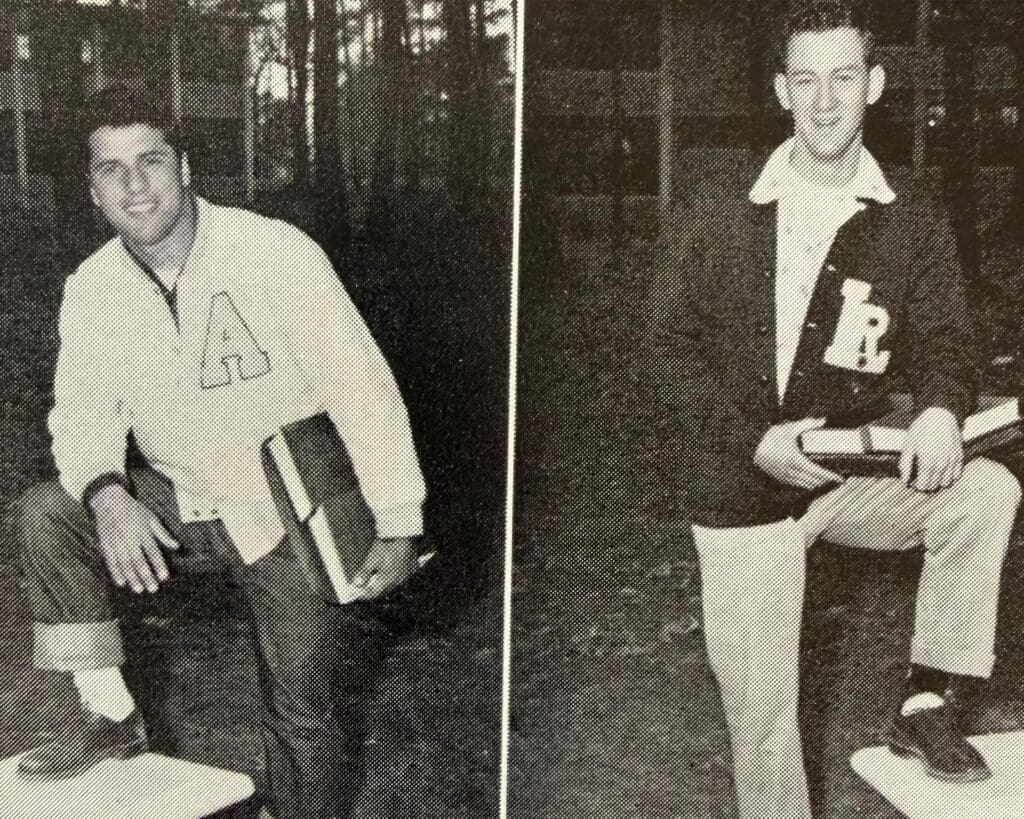
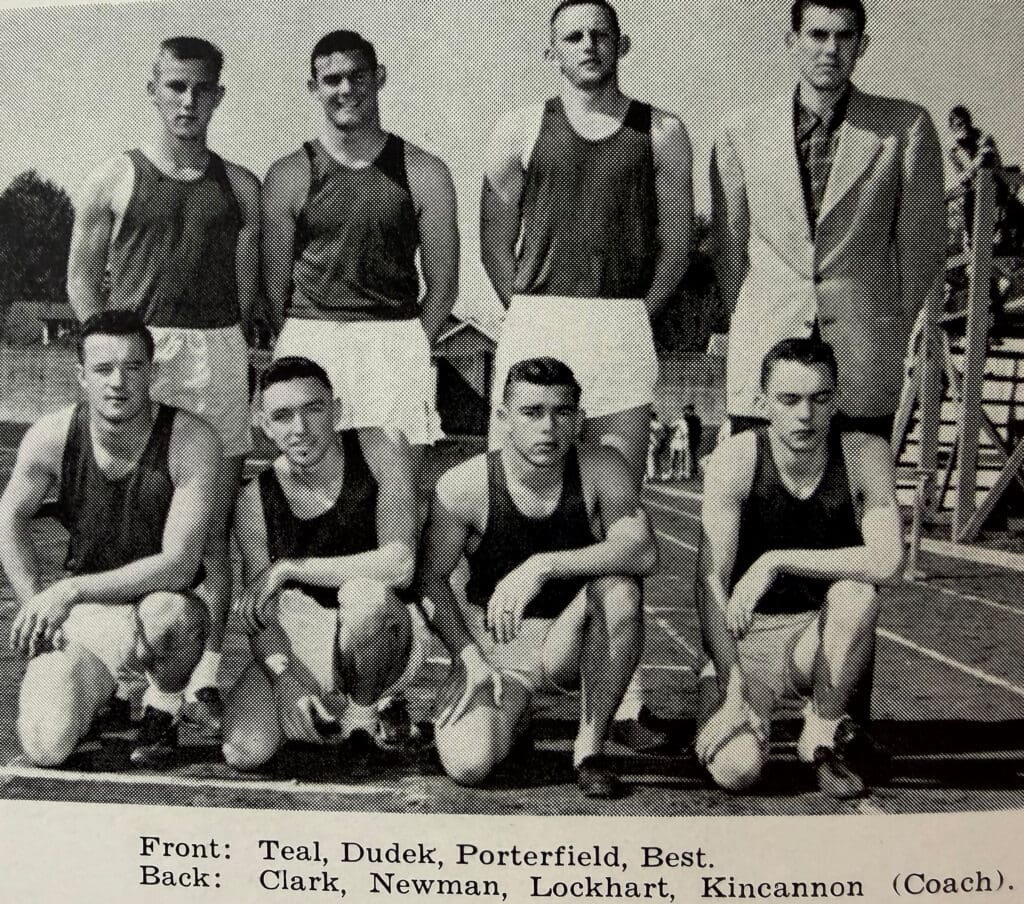
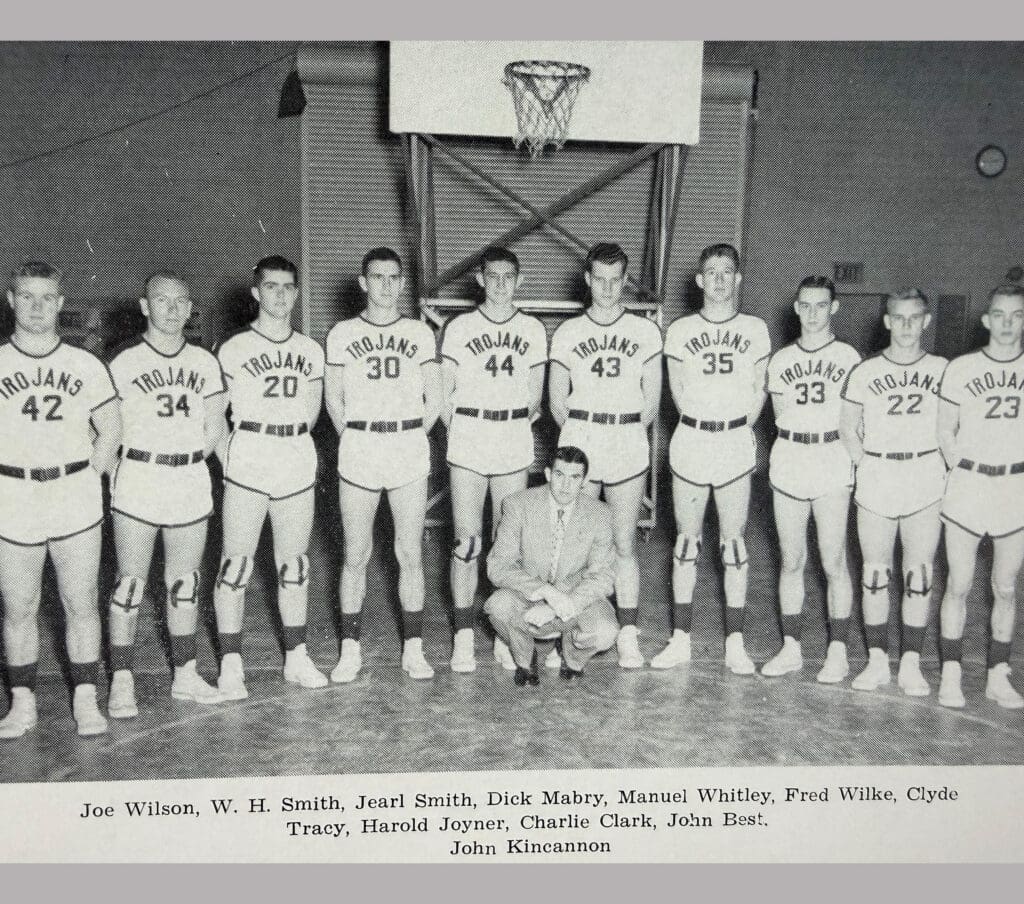
The college board voted in December 1955 to discontinue varsity football, despite various efforts to keep the program running. Multiple factors contributed to the decision, including the lack of athletic scholarships, students leaving school to join the armed forces, rising support for the emerging University of Arkansas program, and financial challenges.
LRJC Becomes a Four-Year Institution – 1954-1957
Interest continued to grow in transforming LRJC into a four-year institution. President Davis met with the sophomore class to discuss the possibility, and the students were enthusiastic.
In 1954, members of the Little Rock School Board passed a resolution recommending that the school expand to a four-year senior college; however, the Donaghey Foundation believed this would be too expensive and was not in favor of the idea. The conflicting opinions of the two boards eventually led to President Davis’s resignation.
After several appearances in court and a decision by the Arkansas Supreme Court, the Donaghey Foundation and the college board held a joint meeting in May 1955 and appointed Little Rock business leader Gus Ottenheimer to chair a task force. The Ottenheimer Committee unanimously agreed that Little Rock needed a four-year collegiate program and that the community overwhelmingly supported this plan. Their final report recommended expanding LRJC to a four-year institution by 1961 and that the institution should be renamed to “George W. Donaghey College of Little Rock.”
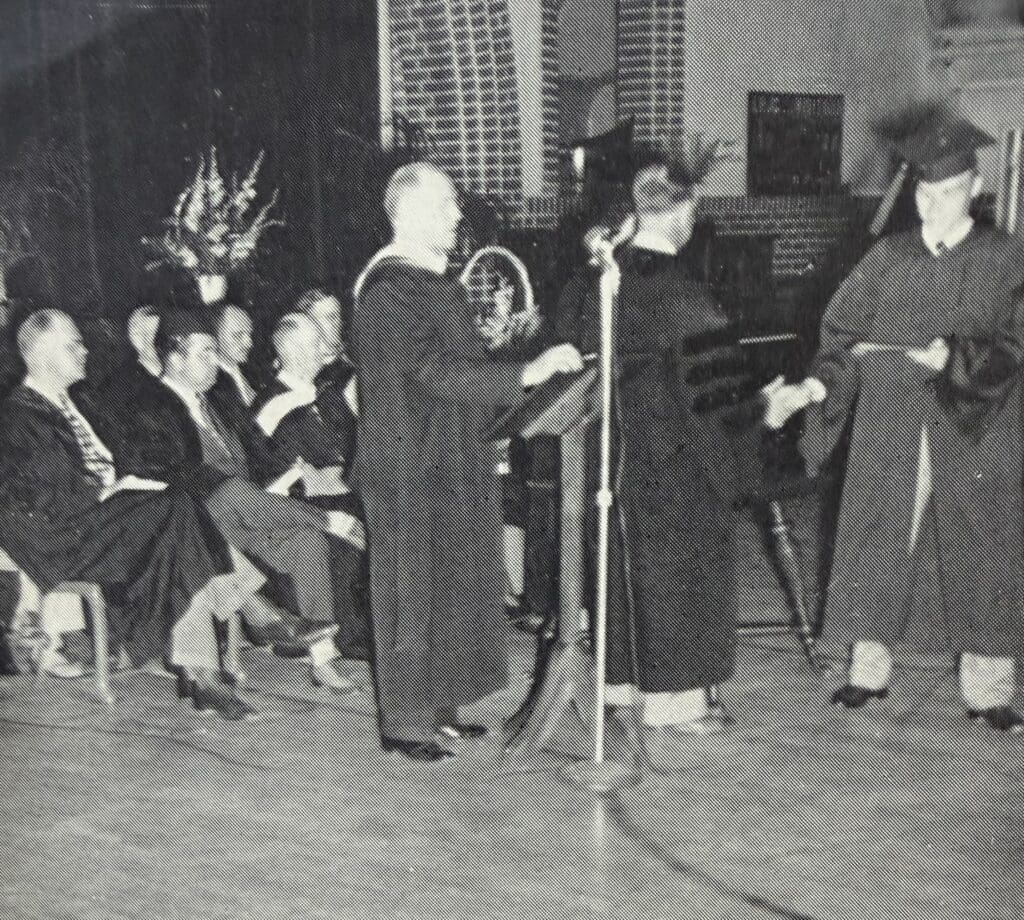
Two months later, the board elected Dr. Carey V. Stabler as the new LRJC president with an annual salary of $12,000. Stabler quickly worked with faculty on the new school structure, which included four schools and three degrees. On June 1, 1957, the college trustees voted to accept Stabler’s idea to officially name the institution Little Rock University.
First Class Graduates from LRU – 1959
Twenty-eight seniors became the first graduates of the new four-year institution in 1959. To distinguish them from the sophomores receiving junior college certificates in blue gowns, the seniors wore black robes with white collars. This ceremony marked the beginning of a new era for LRU.
Moving Forward
As we celebrate our Centennial, each decade’s moments of impact will be published monthly. Follow along as we explore the people, milestones, and moments that shaped UA Little Rock’s first century and continue to inspire its future.