
UA Little Rock Debuts First AI Scholar-in-Residence
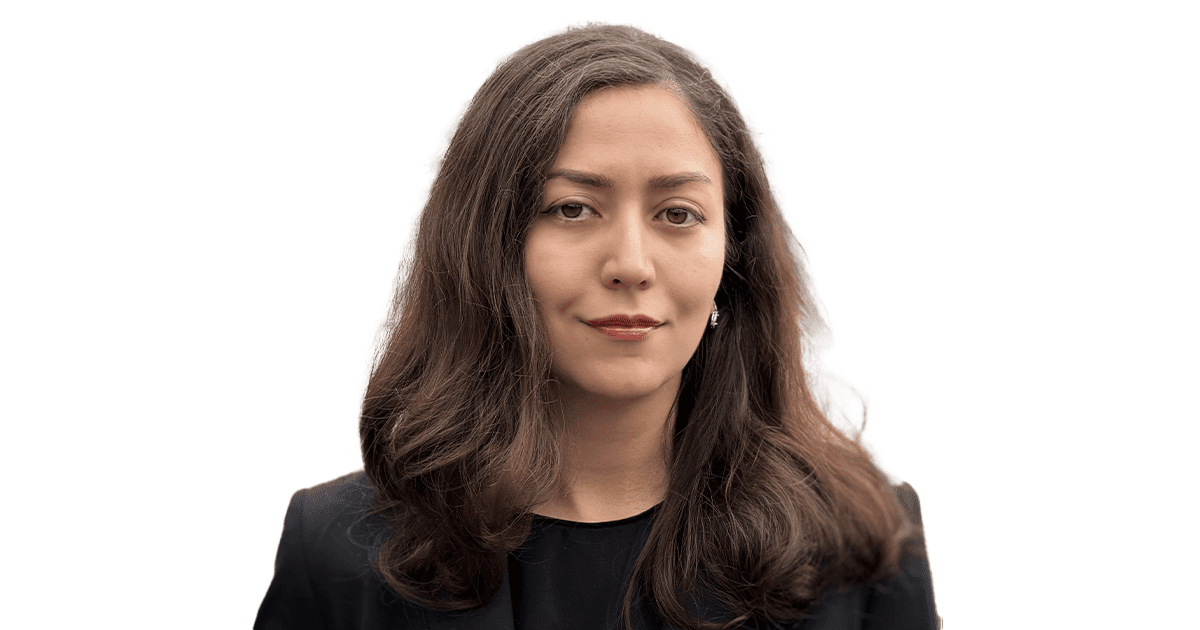
What does it mean to study the mind in the age of artificial intelligence? For the Department of Psychological Science at the University of Arkansas at Little Rock, the answer begins with a first. The department has welcomed Bahareh Jozranjbar as its inaugural artificial intelligence scholar-in-residence.
The role grew out of strategic use of the department’s Marie Wilson Howells Endowment, a fund dedicated to the study of the mind. Rather than supporting traditional programming, faculty chose to invest in a dedicated AI research position with no teaching obligations, allowing for focused work in a rapidly evolving field. The move builds on ongoing efforts to integrate AI into the discipline, including updated coursework and faculty development.
Jozranjbar’s position is distinct from traditional academic roles. Like many other universities, UA Little Rock is expanding its technical AI offerings, with a bachelor’s degree in AI set to launch in fall 2026. While that program focuses on building and applying AI systems, the scholar-in-residence role asks a different set of questions — examining how AI affects human thinking, learning and decision-making. Without a teaching load, the position allows for flexible, forward-looking research that can inform institutional decisions in real time.
Her work centers on trust calibration — understanding when people overtrust or undertrust AI systems and how that impacts learning. As AI becomes more common in educational settings, that question is increasingly important. The role also brings a psychological science perspective to AI, applying frameworks around trust, bias and decision-making to better understand how people interact with these systems. In addition to research, Jozranjbar contributes to university-wide conversations on AI strategy, ethics and policy, and supports outreach efforts aimed at improving AI literacy.
One of her key contributions this year is the development of an AI literacy curriculum, currently being piloted in introductory psychology courses with the goal of broader adoption across the department. The curriculum gives students across disciplines a practical understanding of how AI works and how to use it responsibly, with each module shaped by classroom feedback.
“Students in every field need a practical mental model of how AI works,” Jozranjbar said, “where it can help, where it can fail, and how to use it responsibly.”
Jozranjbar’s impact extends beyond her research portfolio. Women have long been underrepresented in STEM fields, and the gap has become more pronounced with the rise of AI, where women make up a small fraction of researchers, tenure-track faculty and senior leadership roles globally. That underrepresentation is not simply a pipeline issue. When the teams designing and studying AI lack diverse perspectives, the systems they build risk reflecting those same blind spots. Her presence in a role dedicated to researching how AI affects human thinking, trust and decision-making brings a perspective the field needs.
“Women in STEM is a big issue in academia,” Elisabeth Sherwin, chair of the Department of Psychological Science, said. “Having our inaugural scholar be a woman with a hard-science focus was particularly gratifying.”
Jozranjbar will join the UA Little Rock faculty as a full-time member next year, bringing with her the research momentum, institutional relationships and AI literacy work she has built during this inaugural year. What started as a creative use of an endowment has become something larger — a model for how a psychology department can navigate a fast-moving technological moment without losing sight of the human questions at its center. The work is ongoing, and the questions Jozranjbar is asking about trust, learning and what it means to think alongside machines are becoming increasingly relevant.