

Welcome to the Environmental Health and Safety’s (EHS) website. Our mission is to serve the safety needs of staff, faculty, and students of the UA Little Rock community.
How Can EHS Help You?
Our dedicated team works tirelessly to ensure the University maintains compliance with federal, state, and local regulations, such as NFPA fire codes, Arkansas Department of Labor (ADOL) safety codes, and regulations from the Arkansas Department of Environmental Quality (ADEQ).
We also pickup hazardous waste and used recyclable batteries, ensure labs are up-to-date with their chemical inventories, and offer safety training for anyone looking to increase their knowlege about a topic. If there is any other we might assist you, please don’t hesitate to contact us.
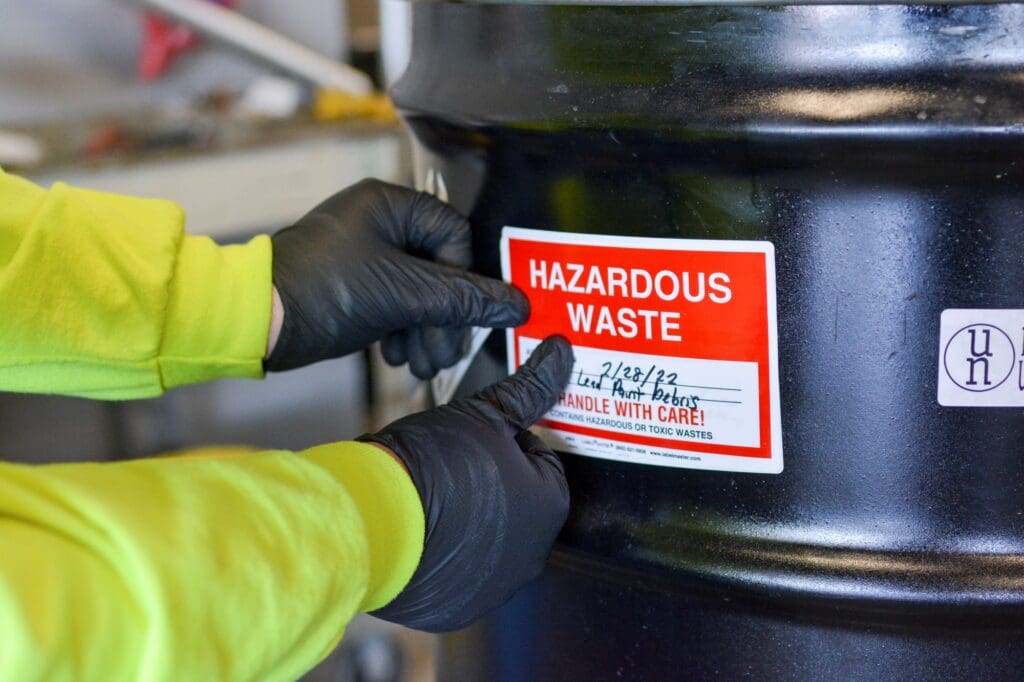
Request a waste pickup
If you are requesting a waste pickup for your work area, log in to the EHS Assistant system below, then click on the “Waste Pickup Request” icon and follow the directions from there.
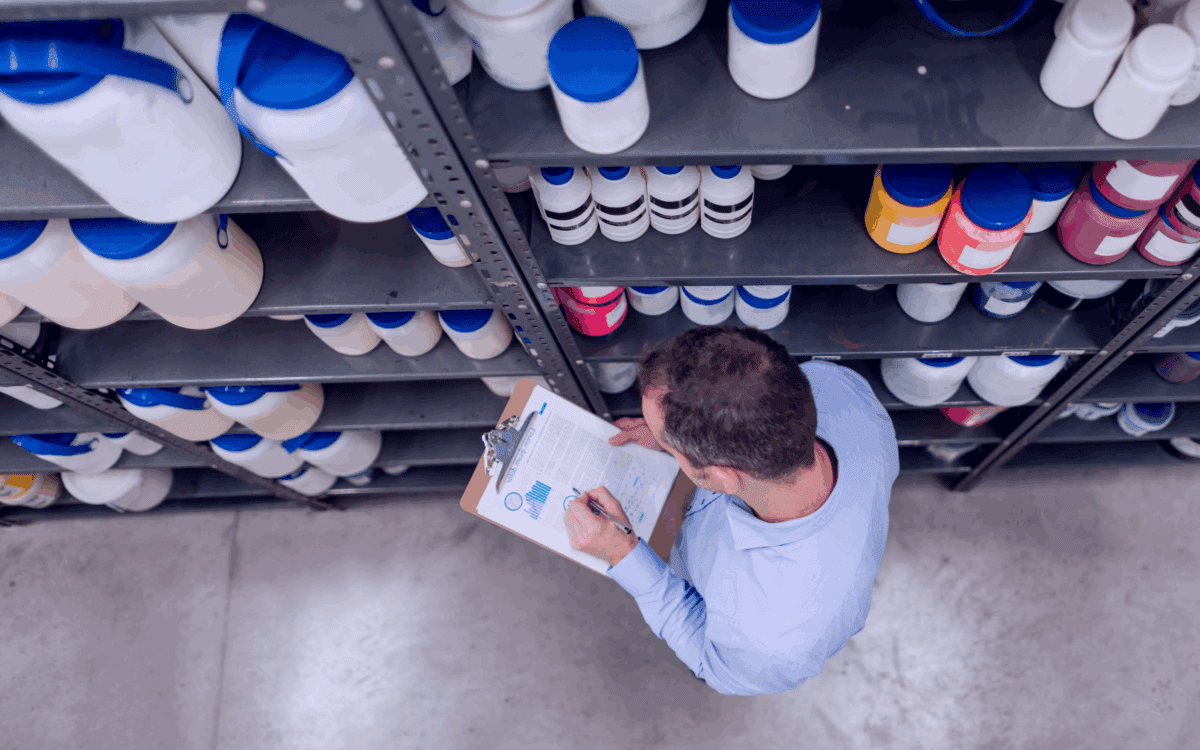
Update your chemical inventory
If you are completing/updating the chemical inventory for your work area, log in to the EHS Assistant system below, then click on the “Inventory” icon and follow the directions from there.

Take additional safety training
If you are an employee, student, or faculty and would like to take additional or even required training to help you perform your job more safely, please select this icon.
Training
For information about online and classroom offerings, visit Class Descriptions.
Supervisors, go here to review your subordinates’ training: View Supervised Workers.
NEW Lab Workers & Professors – Expectations and Requirements
First of all, let me be the first to welcome you to your new role at UALR! We are happy to have your expertise and look forward to a supportive and productive working relationship. Often, when beginning new roles there may be many unanswered questions you have regarding safety expectations and requirements (both regulatory and organizational). This section was developed to help fill those gaps.
- Take required training. This is safety-related training, not found in Workday, which is often directly assigned by EHS. This is training mandated by the University, local, state, and federal regulations. You are responsible for satisfactorily completing all assisgned training, as well as ensuring any students working in the lab do so, as well. If you need assistance with this contact [email protected].
- Complete the EHS Assessment. The EHS (Environmental Health & Safety) Assessment is a fairly short survey requiring Professors and Lab Managers to complete. It provides basic information such as contact numbers, lab room numbers, lab hazards, current research, PPE to be utilized, and student involvement. The answers to most questions help EHS ensure that the lab remains regulatory compliant, make PPE selections, complete accurate lab signage, and assigned the required safety training topics.
- Create a Focused Lab Safety Plan (SOG/SOP). A focused lab safety plan helps ensure that hazards, procedures, and responsibilities are clearly documented for your specific research activities. It provides a practical framework for protecting personnel, maintaining regulatory compliance, and supporting a safe research environment. OSHA Laboratory Standard (29 CFR 1910.1450) requires employers engaged in the laboratory use of hazardous chemicals to develop and implement a written plan to be laboratory-specific, addressing the hazards, procedures, controls, training, equipment, and responsibilities relevant to the work performed in that particular lab. Required elements include standard operating procedures, exposure control measures, equipment performance requirements, personnel responsibilities, and protections for particularly hazardous substances.
- Create/Update the Chemical Inventory. A current chemical inventory enables laboratories to identify hazards, manage chemical storage and compatibility, support emergency response efforts, and ensure compliance with regulatory requirements. Accurate inventories help laboratory personnel, safety staff, and emergency responders understand what materials are present and how they should be safely handled and stored.
- Begin and Maintain Current SDSs. Federal regulations require employers to maintain information about hazardous chemicals in the workplace, including Safety Data Sheets (SDSs) and hazard communication programs under OSHA’s Hazard Communication Standard (29 CFR 1910.1200). An accurate chemical inventory supports these requirements, facilitates emergency planning and reporting, and helps ensure chemicals are stored, used, and disposed of safely.
CURRENT Lab Workers & Professors – Expectations and Requirements
- Remain Current on Annually-Required Safety Training. OSHA requires that employees be trained on workplace hazards and safe work practices, along with hazard-specific regulations (Laboratory Standard, Hazard Communication, Bloodborne Pathogens, Respiratory Protection, etc.) that require initial and, in many cases, recurring training. Institutional safety requirements mandate that laboratory personnel receive training on the hazards associated with their work and the procedures necessary to perform that work safely. Annual training helps ensure researchers remain current on regulatory requirements, emergency procedures, and best practices for maintaining a safe research environment.
- Maintain Current Chemical Inventory. Research activities change frequently, and chemical inventories can quickly become outdated. Keeping inventory records current helps laboratory personnel understand what hazards are present, supports compliance efforts, reduces unnecessary chemical purchases, and promotes a safer and more efficient research environment.
- Follow Waste Disposal Rules. Research activities generate a variety of waste streams that may require special handling and disposal. Federal, state, and local regulations require hazardous wastes to be properly identified, managed, and disposed of. Adhering to waste disposal requirements helps laboratories minimize risk, protect environmental resources, and maintain compliance with applicable regulations.
- Follow Waste Accumulation/Storage Rules. Laboratory waste can present significant hazards if it is improperly labeled, stored, or accumulated, in fact Federal and state regulations require this for hazardous waste management prior to disposal. Adhering to waste accumulation and storage requirements reduces risk, facilitates safe waste handling, and helps laboratories maintain regulatory compliance.
- Be Aware of Added Requirements for PHS Chemicals. Particularly Hazardous Substances present elevated risks due to their toxicity, carcinogenicity, reproductive hazards, or acute health effects. Additional requirements such as designated work areas, specialized handling procedures, and exposure control measures help laboratories manage these risks and maintain compliance with applicable standards, specifically regulatory and institutional safety requirements.
- Understand EPA’s P-Listed Chemicals. EPA P-Listed chemicals are classified as acutely hazardous wastes due to their potential to cause severe health or environmental harm, even in relatively small quantities. Laboratories that use these materials must follow enhanced waste management requirements making them subject to stringent federal hazardous waste regulations because of their acute toxicity. Understanding the additional management and disposal requirements helps laboratories minimize risk, prevent environmental releases, and comply with hazardous waste regulations.
- Make Notification for Chemicals that Require CHO Approval. High-risk chemicals often require specialized handling procedures, equipment, or security measures. Certain chemicals present elevated risks due to their toxicity, reactivity, explosiveness, regulatory status, or potential for misuse. Requiring CHO approval helps ensure that appropriate hazard assessments, training, engineering controls, and risk mitigation measures are in place before these materials are acquired or used.
- Follow Chemical Container Labeling Requirements. Unlabeled or improperly labeled containers can lead to chemical exposures, incompatible storage, and improper disposal. Hand-written chemical names with marker on tape no longer meets the Federal requirement for labeling. Federal hazard communication requirements and laboratory safety standards require hazardous chemicals to be clearly identified and labeled (e.g., GHS symbols, hazard and caution statements, etc.). Accurate labels help personnel understand chemical hazards, follow appropriate safety precautions, and maintain compliance with regulatory and institutional requirements.
- Help Eliminate Legacy Chemicals. Over time, research projects change, personnel transition, and chemicals can be left behind. Legacy chemicals are materials that are no longer actively used, may have unknown contents, or have remained in storage beyond their intended use. Proactively identifying and managing aging, abandoned, or unidentified chemicals can help prevent safety hazards, reduce regulatory risk, free valuable laboratory space, and ensure that outdated or potentially unstable materials are disposed of safely.
- Meet Compressed Gas Cyclinder Storage Requirements. Compressed gas cylinders contain gases under high pressure and can present significant physical and health hazards if damaged, improperly stored, or unsecured. Following storage requirements helps prevent leaks, fires, explosions, and cylinder tip-over incidents while protecting laboratory personnel and facilities.
- Remove Broken Glassware. Broken glass can cause cuts, punctures, chemical exposures, and other workplace injuries if it is not handled and disposed of correctly. Following established procedures helps protect laboratory personnel, custodial staff, and waste handlers while maintaining a safe research environment.
- Safety Dispose of Biohazardous Waste. Biohazardous waste may contain infectious agents or materials that could pose risks to laboratory personnel, custodial staff, waste handlers, and the community. Federal, state, and institutional requirements govern the handling, treatment, and disposal of biohazardous waste. Proper segregation, packaging, and disposal help minimize exposure risks, protect public health, and ensure biological waste is managed safely and responsibly.
Create A Safe Work Environment
The following links will take you to EHS documents created to help strengthen the safety around your environment while you work, study, and research here at UA Little Rock.


- Chemical hygiene
- Radiation safety
- Scheduling asbestos assessment and abatement
- Scheduling indoor air quality Testing
- Hazardous materials management
- Occupational safety training
- Accident investigation
- Stormwater management
- Laboratory safety